
📋 In this article
Raw rainwater can carry heavy metals, pesticides and pathogenic bacteria as it runs off your roof. Without proper protection, this free resource risks damaging your installations and posing a genuine health hazard.
We have analysed the best rainwater treatment solutions to purify your domestic water supply and protect your health in the long term. Let’s take a look at the filtration technologies and current regulations to ensure your system is safe.
Rainwater treatment for safe domestic use
Raw rainwater contains heavy metals and bacteria, requiring sediment and UV filtration to make it safe for sanitary use. This non-calcareous resource protects your plumbing and reduces domestic maintenance costs.
To make the most of this free resource without compromising your well-being, it is essential to understand how to neutralise the invisible threats that find their way onto your roof.
Removing pollutants and protecting your health
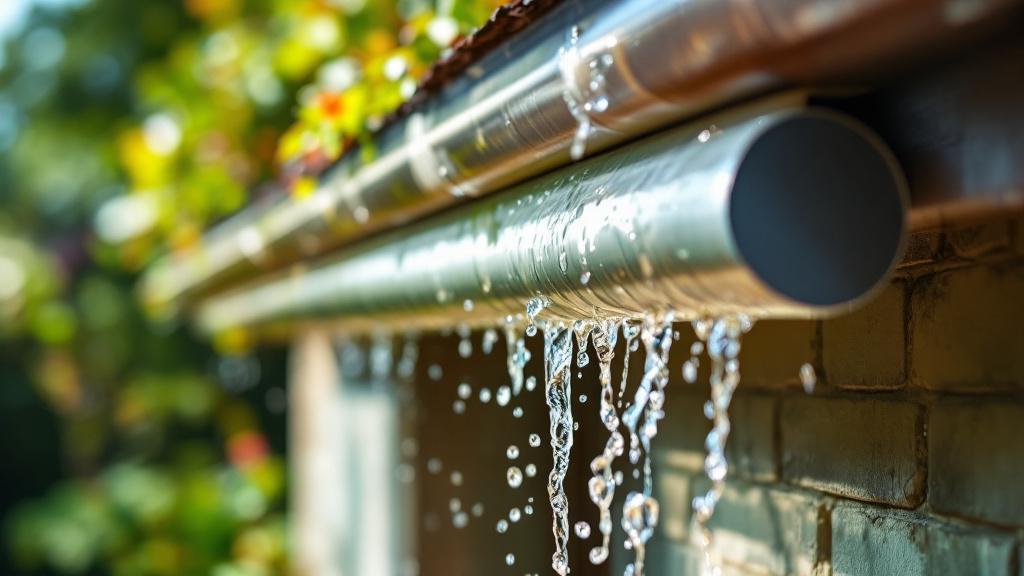
As it runs off, water becomes laden with soot and atmospheric heavy metals. It also carries bird droppings, bacteria and various plant debris that has accumulated on your roof tiles.
Without rigorous treatment, these pathogens pose a real health risk. Appropriate filtration therefore ensures safe water for domestic use as permitted by current regulations.
You can consult ANSES’s recommendations on washing laundry. This advice is invaluable for ensuring the safety of your system.
ℹ️ Properties of rainwater
Rainwater is naturally slightly acidic and very soft. Whilst this protects your appliances from limescale, pH neutralisation is sometimes necessary depending on storage conditions.
Preserving the longevity of your household appliances
Rainwater is naturally soft and completely free of limescale. This prevents limescale build-up on the heating elements of your washing machines and significantly extends their technical lifespan.
For your fabrics, the absence of harsh minerals makes your laundry much softer. Your skin is also less irritated during everyday activities such as flushing the toilet.
Investing in a reliable system ensures protection for your household appliances. It is a major economic benefit to make the most of this natural and free resource.
3 steps to filter out impurities straight from the roof
Even before it reaches your tank, the water must undergo an initial mechanical cleaning to prevent the build-up of organic debris.
Install high-performance pre-filters and gutter guards
The drain grate is a simple grid placed at the top of the downpipe. It blocks dead leaves, twigs and birds’ nests. It is the essential first line of defence against large debris.
The self-cleaning pre-filter is fitted to the downpipe. It separates the water from fine impurities, which are discharged into the stormwater drainage system. The clean water flows into the tank.
For effective rainwater treatment, we recommend the following equipment:
- Stainless steel drain cover
- Basket gutter filter
- Filtering collector with fine mesh
Choose between a concrete or plastic tank for pH
Rainwater is naturally slightly acidic. A concrete tank helps to neutralise this pH thanks to the mineral salts contained in the tank walls.
Plastic tanks (HDPE) are lighter and easier to install. However, they do not alter the chemical composition of the stored water.
The choice depends on your budget and the intended use. Concrete promotes slight remineralisation, which stabilises the water. Plastic tanks often require the addition of limestone at the bottom to achieve a similar effect.
Concrete Tank
Neutralises natural acidity and remineralises the water. Ideal for protecting your health and your pipes.
Plastic Tank (HDPE)
Lightweight and economical installation. No effect on pH, requires the addition of limestone.
99.9%
Of bacteria and viruses eliminated by UV rays.
254 nm
Optimal UV-C wavelength for destroying DNA.
Managing unpleasant odours and regular maintenance
Odours often stem from organic build-up at the bottom of the tank. Annual cleaning of the tank and replacement of the filters remain necessary to keep the water safe.
Rigorous maintenance protects your system and your health. Here is our guide to planning your maintenance work and ensuring everything runs smoothly.
| Component | Maintenance frequency | Action to be taken |
|---|---|---|
| Drain covers | Annual | Cleaning |
| Pre-filter | 6 months | Visual inspection |
| Charcoal cartridge | 6 to 12 months | Replacement |
| UV lamp | Annual | Replacement |
Effective rainwater treatment protects your health and keeps your appliances free from limescale thanks to mechanical, carbon and UV filtration. Take action now to safeguard your system and enjoy a pure resource. Finally provide your home with healthy, economical and sustainable water.