Reverse osmosis removes up to 99.99% of pollutants — PFAS, lead, limescale. We have tested and selected the 4 best systems to guarantee you crystal-clear water at home.
4
Models tested
12+
Criteria analysed
2026
Updated
Key takeaway: reverse osmosis stands out as the ultimate solution for removing up to 99.99% of pollutants such as PFAS and lead. By investing in a high-performance system, you can enjoy pure, remineralised water at home for just a few pence per litre. The Frizzlife 1000 GPD model stands out for its ultra-fast flow rate, capable of filling a cup in just 3 seconds.
Tired of doubting the purity of your water, between PFAS residues and limescale? Discover how to turn your tap into a crystal-clear spring with our carefully curated selection. We’ve scrutinised the flow rate, remineralisation and maintenance costs of four leading models.
Drinking tap water is becoming a challenge due to PFAS residues or persistent limescale. Reverse osmosis therefore stands out as the ultimate solution to guarantee total purity in your home. It is the only process capable of removing almost all pollutants.
We’ve put four leading models through their paces to meet all your requirements. Whether you’re looking for a high flow rate, a budget-friendly option or a compact unit, our selection covers every scenario.
Frizzlife PD1000 for performance and ultra-fast flow rate.
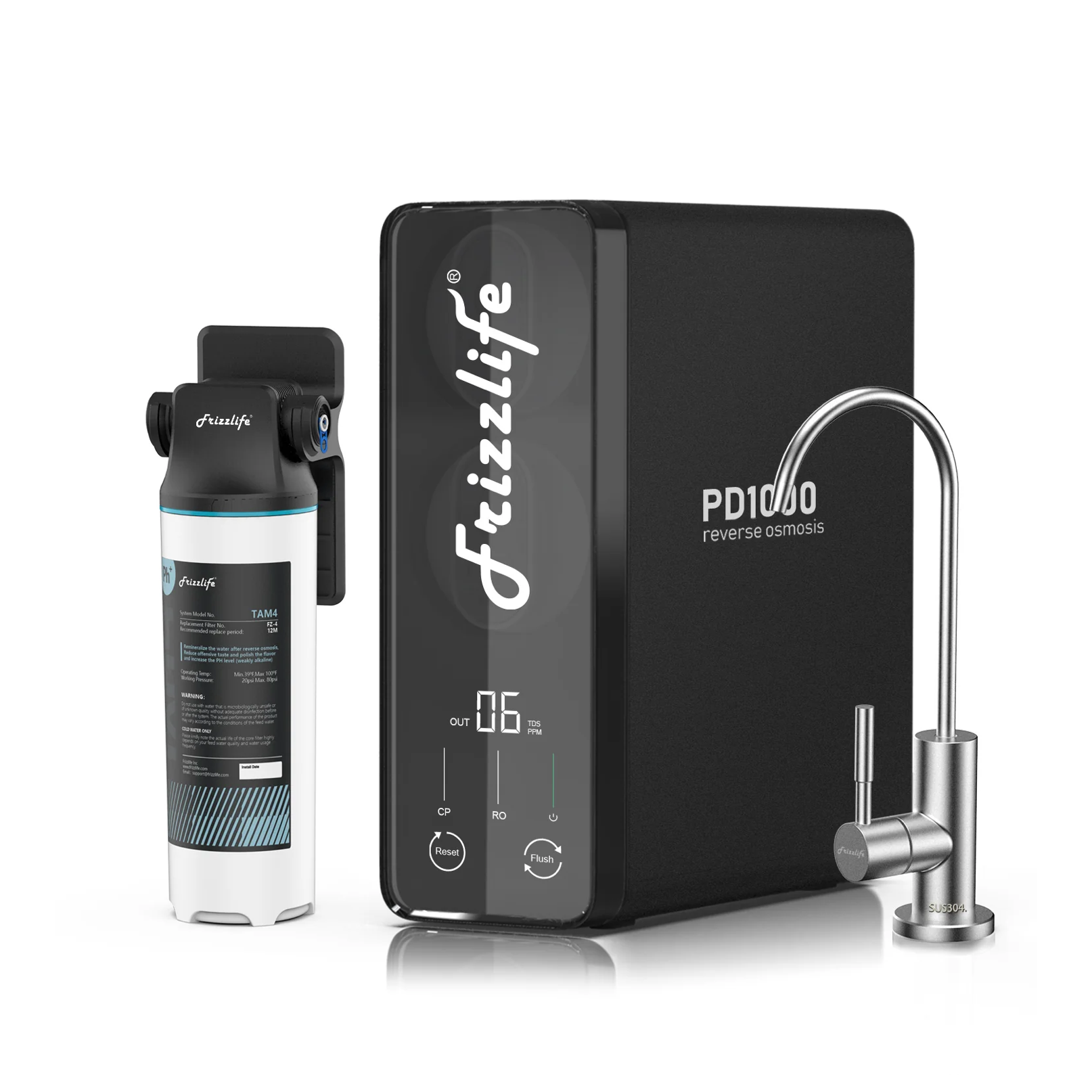
iSpring RCC7AK for the best value for money with remineralisation.
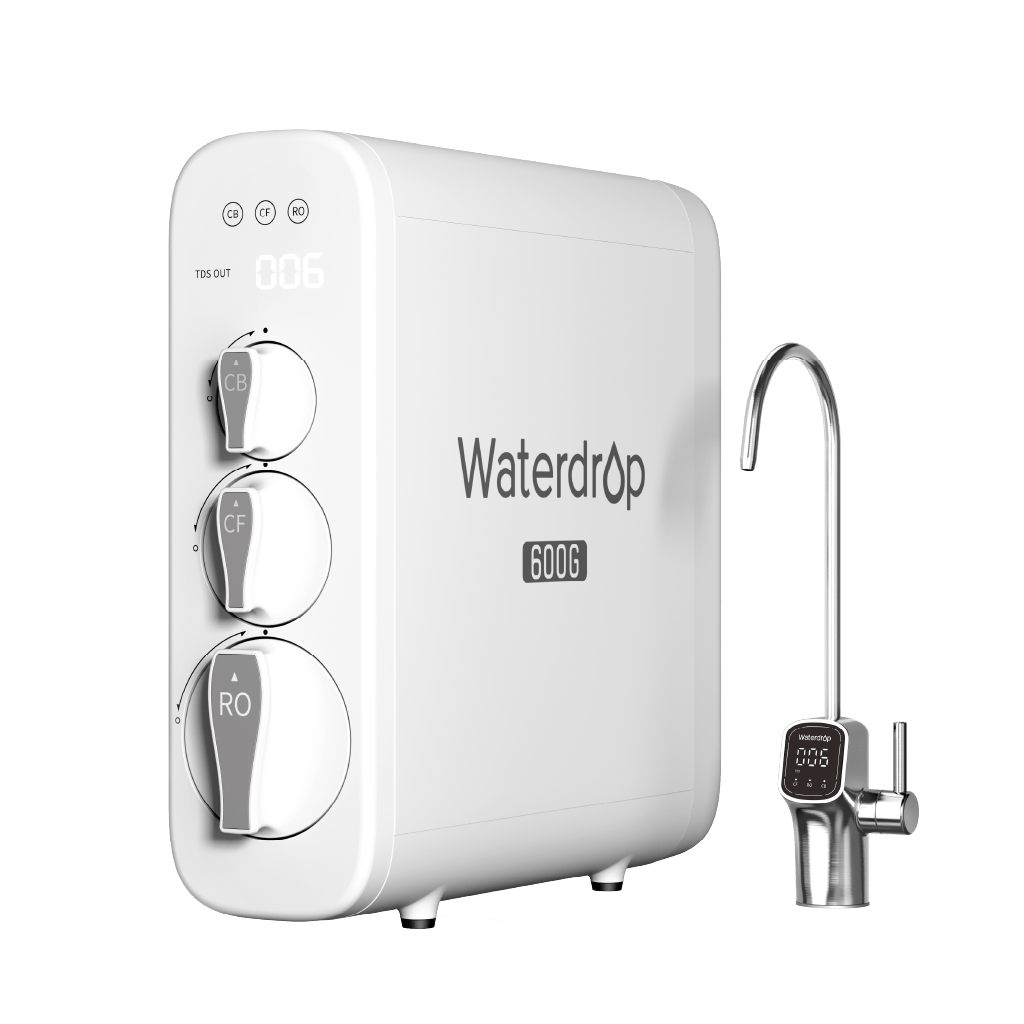
Waterdrop G3P600 for design and smart technology.
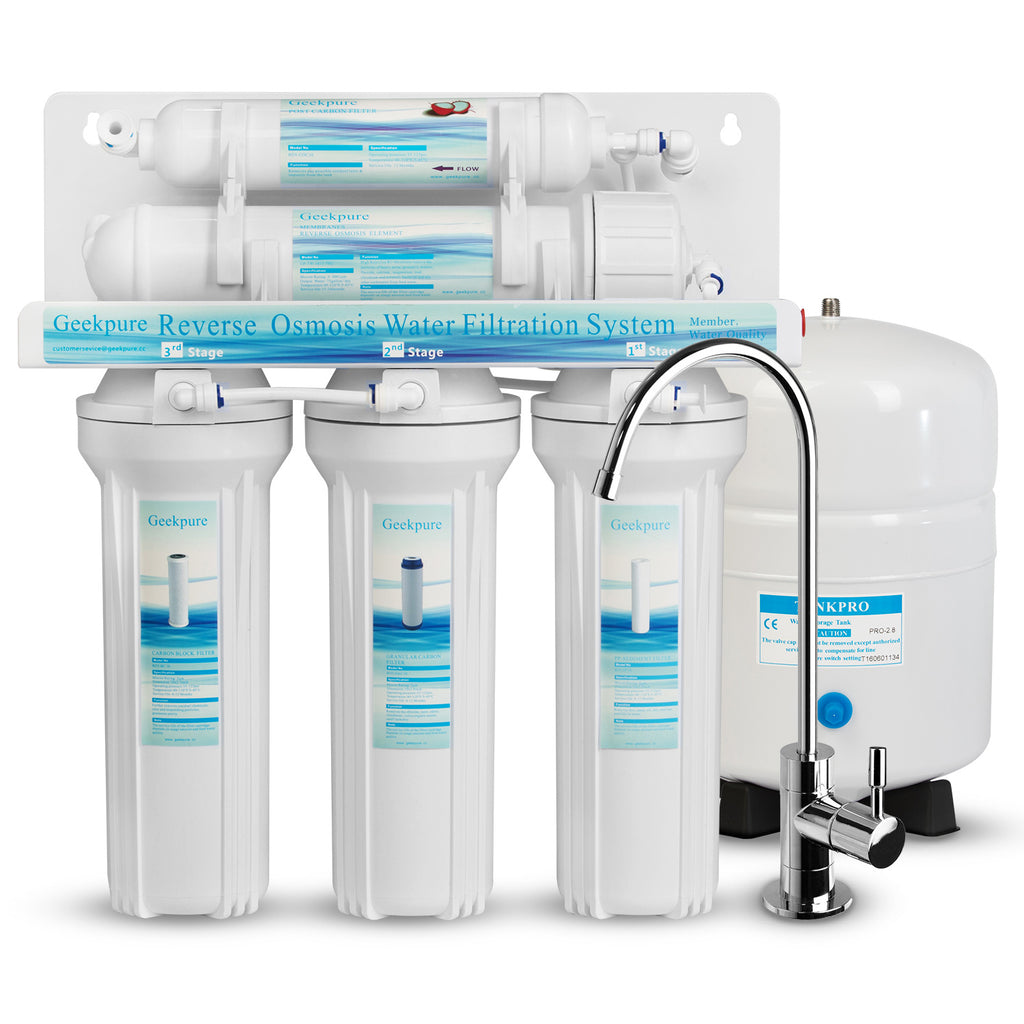
Geekpure RO5 for a tight budget and simplicity.
Choosing the best reverse osmosis system means choosing healthy water every day — say goodbye to the hassle of plastic bottles.
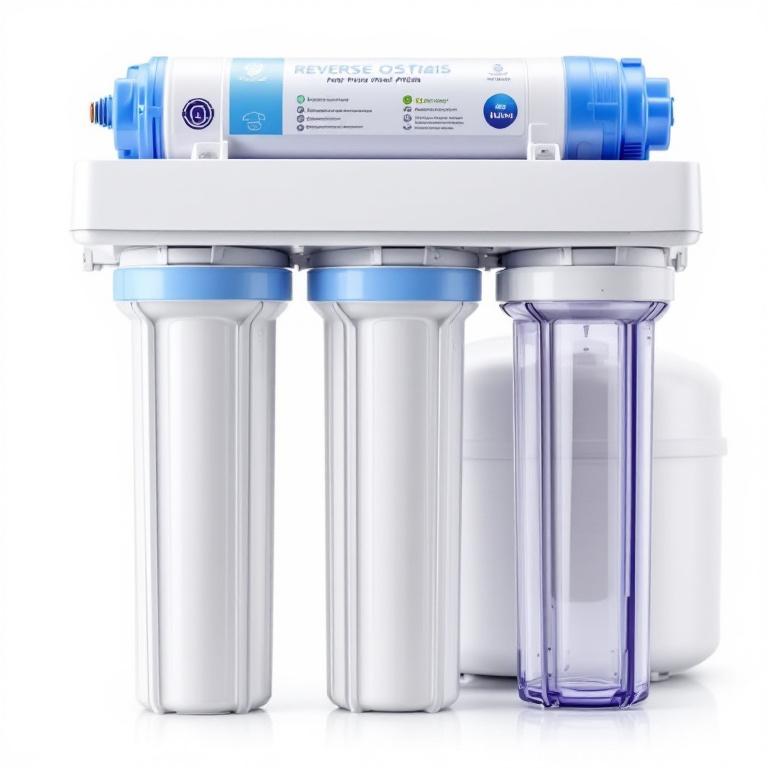
1 Frizzlife PD1000 ⭐ — Our top pick: powerful and compact
Having given a quick overview of our selection, let’s get straight to the point with the most powerful model in this comparison. The Frizzlife PD1000 redefines what we expect from an under-sink osmosis system.
Ultra-fast flow rate and 9-stage filtration
The 1000 GPD flow rate is a game-changer in the kitchen. You benefit from impressive power that delivers water instantly. No more waiting for ages for a tank to finally fill up.
The 9-stage filtration ensures maximum safety. It removes PFAS and lead with formidable precision. The high-precision membrane does not allow any unwanted contaminants into your glass.
Thanks to ‘tankless’ technology, the water always stays perfectly fresh. This avoids the risk of bacterial growth associated with traditional tanks. It’s an extra guarantee of hygiene for your home.
The TAM4 cartridge plays a crucial role for your palate. It precisely rebalances the pH and adds essential minerals. You’ll rediscover the natural, refreshing taste of spring water.
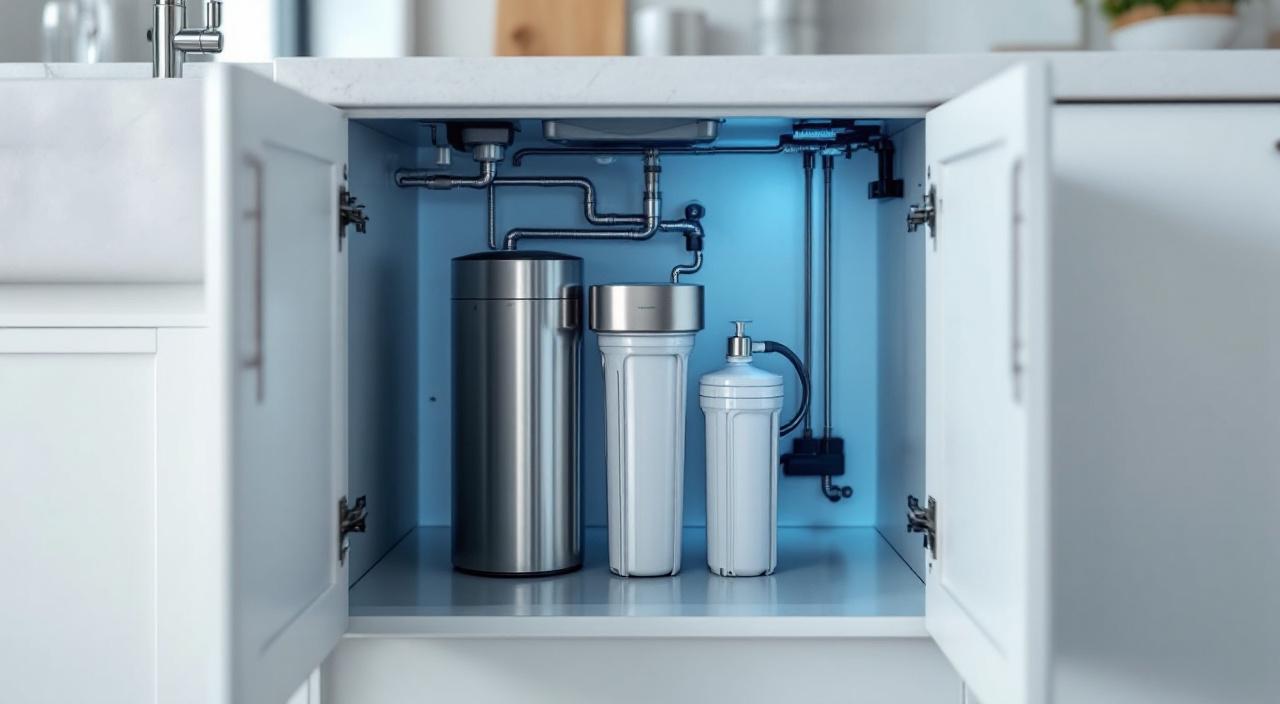
The space saved under the sink is remarkable. The absence of a bulky tank frees up valuable space in your cupboards — ideal for modern kitchens.
Our tests confirm users’ enthusiasm for this model. The balance between performance and space requirements is exceptional here. Installation takes just 15 minutes.
2 iSpring RCC7AK — Best value for money with remineralisation
iSpring RCC7AK: the balance between purity and minerals
If the tankless model doesn’t appeal to you, let’s turn to a tried-and-tested option that focuses on mineral content. The iSpring RCC7AK is the global best-seller that never disappoints.
Alkaline remineralisation for a natural taste
The process involves six precise stages. First, the RO membrane removes almost all pollutants. Next, the alkaline cartridge revitalises the water by rebalancing the pH. It’s a comprehensive method for total purity with a natural taste.
Calcium and magnesium are added back in to give you water that tastes like the finest mineral waters. You’ll experience a sensation of natural freshness on the palate.
The iSpring RCC7AK transforms tap water into an alkaline, mineral-rich source, ideal for healthy daily hydration.
Reliability of a robust system with a reservoir
The robustness of the components is a key strength. Push-fit connections prevent leaks in the long term. The 12-litre storage tank ensures a constant supply of water.
Maintenance is simplified by the transparent housings — you can see the condition of the filters at a glance. The price of standard filters remains very affordable. It is a practical and sustainable choice, a global bestseller for a reason.
For those who prioritise aesthetics and technology, the Waterdrop G3P600 is a game-changer. This compact system redefines what we expect from an under-sink reverse osmosis system.
Tankless technology and space-saving design
This compact unit frees up 70% more space compared to tank-based systems. Water is filtered in real time as it passes through the membrane — you get instant purity with no waiting. No prolonged storage, so no risk of biofilm.
Its sleek design fits in anywhere with ease. It even finds its place in small city kitchens. Discover the Waterdrop G3P600 on Amazon and transform your kitchen today.
Real-time TDS monitoring and simplified maintenance
The smart tap displays the TDS (total dissolved solids) level in real time, giving you constant reassurance about purity. You can finally see what you’re drinking.
Maintenance is ultra-simple: the filters can be changed with a simple quarter-turn, without turning off the water. Light alerts tell you when to change the cartridges — zero stress, everything is automated.
The rejection ratio is impressive: just 1 litre of waste water for every 2 litres produced. That’s eight times more efficient than a conventional system.
4 Geekpure RO5 — Effective simplicity at a low price
Not everyone needs LED displays — sometimes, raw efficiency at the best price is more than enough. The Geekpure RO5 is the ideal entry point into the world of reverse osmosis.
Affordable standard 5-stage filtration
This system is based on a classic setup that has proven itself time and again. The TFC membrane, combined with coconut-based activated carbon, effectively removes chlorine, unpleasant tastes and odours. Despite a very low introductory price, the plastics are food-grade and certified BPA-free.
In terms of performance, it doesn’t disappoint: the process removes up to 99% of common contaminants, including nitrates, lead and limescale. The lack of electronics is a real plus — fewer gadgets, fewer breakdowns.
Manual installation and universal compatibility
The unit uses standard 10-inch cartridges, which are widely available and very inexpensive to use. This is the major advantage of conventional systems over proprietary models.
This model is perfect as a first system or for a second home. The water produced is soft, pure and pleasant to drink — as confirmed by our tests.
Comparison of the 4 reverse osmosis systems
To get a clearer picture, nothing beats a direct comparison of the figures.
Model
Type
Flow rate (GPD)
Remineralisation
Key feature
Frizzlife PD1000 ⭐
Tankless
1000
Yes
Performance
iSpring RCC7AK
With tank
75
Yes
Value for money
Waterdrop G3P600
Without tank
600
No
Design & Tech
Geekpure RO5
With tank
75
No
Low price
Crystal-clear water straight from the tap — thanks to reverse osmosis
How does reverse osmosis filtration work?
0.0001-micron precision against pollutants
The principle relies on high mechanical pressure that forces water through an ultra-dense semi-permeable membrane. Only pure water molecules manage to pass through this microscopic barrier — everything else is stopped in its tracks.
Role of the booster pump and waste water management
The booster pump optimises the ratio of pure water to reject water by forcing the water through. It boosts the overall efficiency of your system. The reject water flushes out pollutants to protect the membrane — modern models limit this reject water to an impressive extent (1:2 ratio on the Waterdrop).
3 criteria for choosing the right reverse osmosis system
Choosing between direct flow and tank storage
A storage tank takes up space under the sink but provides a constant flow without a pump. Direct flow prevents stagnation and frees up space — ideal for modern kitchens. Think about your daily usage: do you often fill up jugs? The high-performance direct flow system will be more convenient.
The choice between a storage tank and direct flow is often a trade-off between mechanical simplicity and optimising space under the sink.
Material quality and remineralisation requirements
Be careful when choosing your taps — a poor-quality tap can leach lead into your freshly filtered water. The osmosis unit removes inorganic minerals, so remineralisation is genuinely beneficial for taste and pH balance. Check for NSF or CE certifications — the only real guarantee.
Maintenance and actual costs over 5 years
Replacement frequency and consumables budget
Pre-filters need changing every 6 to 12 months depending on local water hardness. The membrane has a longer lifespan — it can last 2 to 3 years if the pre-filters are doing their job properly. Expect to spend between €50 and €120 a year to keep your system in top condition.
Cost-effectiveness compared to bottled water
Osmosis water costs a few pence per litre, compared to around €0.30 for a bottle of mineral water. You’ll recoup your investment in under 18 months. When you factor in the environmental impact — hundreds fewer plastic bottles — it’s a winning combination: good for your wallet and good for the planet.
Ready to transform your tap water?
Fast delivery via Amazon Prime. Order now and enjoy crystal-clear water today.
What is the best reverse osmosis system for my kitchen?+
The choice depends on your priorities: if you’re looking for raw power and ultra-fast flow, the Frizzlife PD1000 is a performance powerhouse (1000 GPD, one cup in 3 seconds). For quality on a tight budget, the Geekpure RO5 is unbeatable. For design and technology, the Waterdrop G3P600 will delight fans of modern style.
Don’t forget to check the space available under your sink! A ‘tankless’ model like the Frizzlife or the Waterdrop frees up to 70% more space, unlike systems with a tank.
Does osmosis water really remove PFAS and lead?+
Absolutely. Thanks to a membrane with a precision of 0.0001 microns, reverse osmosis is the most effective physical barrier in the world. It removes up to 99% of contaminants: heavy metals (lead, arsenic), fluoride, limescale, and the infamous PFAS (forever chemicals) that are causing so much concern today.
Models such as the Frizzlife PD1000 are NSF/ANSI 58 certified, guaranteeing a drastic reduction in total dissolved solids (TDS) for crystal-clear water.
Should minerals be added after filtration?+
Reverse osmosis is so effective that it also removes minerals. To avoid water that is too bland or slightly acidic, we recommend a model with remineralisation. The iSpring RCC7AK and the Frizzlife incorporate specific cartridges that reintroduce calcium and magnesium.
This helps balance the pH to over 7.5 (alkaline water) whilst restoring that fresh, natural taste of the finest mineral waters.
Does a reverse osmosis system waste a lot of water down the drain?+
Technology has come a long way! Modern models such as the Waterdrop G3P600 or the Frizzlife PD1000 boast an excellent 2:1 ratio — just 1 litre of waste water for every 2 litres of pure water produced. This is a massive improvement on older systems, which could discharge 3 to 4 litres for every single litre of water produced.
The waste water carries away concentrated pollutants — this is the mechanism that protects your membrane. It has become a much more environmentally friendly solution for your home.
Is installation complicated for a beginner?+
Don’t panic — you don’t need to be a plumbing expert! Most of the selected models are designed for DIY installation with quick-connect fittings and detailed manuals. Allow around 15 to 60 minutes depending on the model.
As for maintenance, it’s a breeze: on the Waterdrop G3P600, changing the filter takes just 3 seconds with a simple twist. Budget-wise, allow €50 to €120 a year for consumables — far cheaper than buying plastic bottles!